First order
10% off your first order
Use code FIRSTORDER at checkout. One per customer, and it works on sale items too.
When it comes to maintaining a healthy garden, chemical pesticides may work quickly, but their long-term use can harm soil, beneficial insects (like bees and ladybugs), and even your family’s health. Fortunately, nature provides plenty of eco-friendly alternatives! Today, we’re sharing five simple yet effective natural pest control methods to protect your garden while keeping the ecosystem balanced.
Companion planting is an age-old gardening technique that pairs specific plants to naturally repel pests or attract beneficial insects. For example, planting basil near tomatoes not only enhances their flavor but also deters mosquitoes and tomato hornworms. Carrots and onions grown together can fend off carrot flies, while marigolds planted near squash help prevent nematodes and beetles. Herbs like mint, rosemary, and lavender also have pest-repelling properties—though mint can be invasive, so it’s best grown in containers.

If you need an immediate solution, homemade natural sprays can be highly effective. A garlic-chili spray works wonders against aphids and spider mites—simply soak three garlic cloves, a tablespoon of chili powder, and a liter of water for 24 hours, strain it, add a few drops of dish soap as a sticking agent, and spray it on plant leaves. Another easy option is soap spray: mix a tablespoon of additive-free liquid Castile soap with a liter of water and apply it to soft-bodied pests like aphids to break down their protective coating. For best results, avoid spraying during the hottest part of the day to prevent leaf burn.

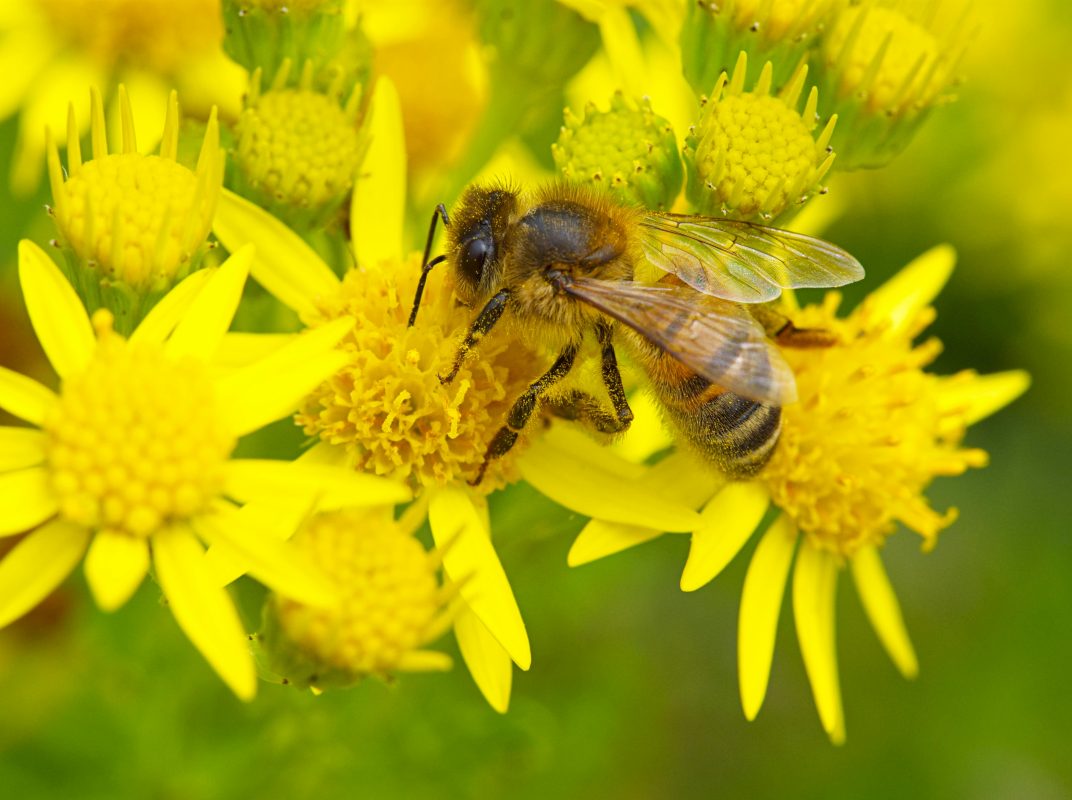
Inviting beneficial insects to your garden is a longer-term, sustainable pest control strategy. Ladybugs, lacewings, and parasitic wasps are natural predators of many common pests. Planting nectar-rich flowers like sunflowers, fennel, and cosmos provides food and shelter for these helpful bugs. You can even build an “insect hotel” using materials like wood, pinecones, and bamboo to give them a cozy habitat. Just be careful—some beneficial insect larvae (like ladybug nymphs, which resemble tiny alligators) might look like pests, so don’t accidentally remove them!
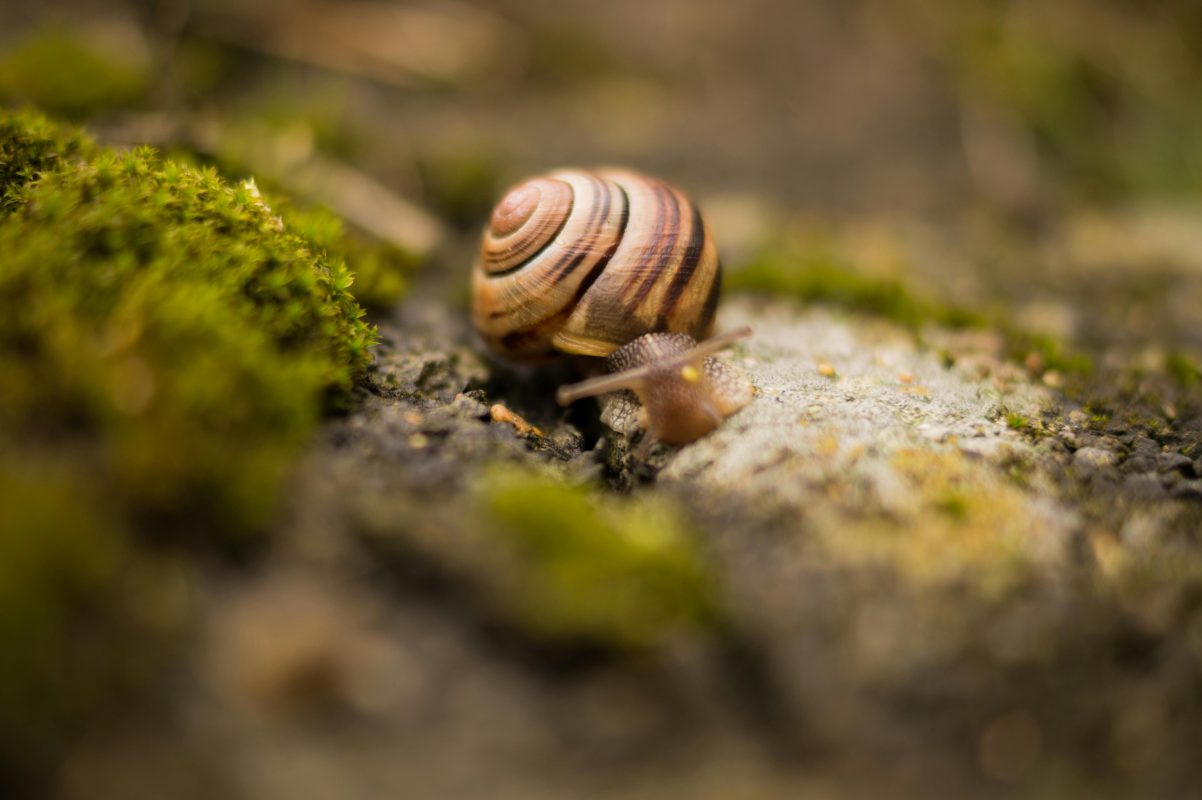
For snails, slugs, and butterfly larvae, physical barriers often deliver quick results. Copper tape around planters creates a mild electric charge that deters slugs, while lightweight floating row covers shield plants from egg-laying butterflies. If you prefer a simpler approach, scattering coffee grounds or crushed eggshells around plants forms a natural deterrent against soft-bodied pests.
Finally, don’t forget that healthy soil is the foundation of pest-resistant plants. Strong plants naturally repel pests better, and the key to fertile soil lies in regular composting to boost microbial activity. Crop rotation is equally important—avoid planting the same family of crops (like tomatoes and potatoes, which attract similar pests) in the same spot year after year. Mulching with straw or bark not only retains moisture but also reduces opportunities for pests to lay eggs in the soil.
While these natural pest control methods may require more patience, your garden will thrive in a more balanced, eco-friendly way. Start with one or two techniques and observe how they work in your space. Have you tried any of these methods before? Or do you have your own natural pest-fighting tricks? Share your experiences in the comments—let’s grow healthier, more sustainable gardens together!

Popular categories

