First order
10% off your first order
Use code FIRSTORDER at checkout. One per customer, and it works on sale items too.
Starting a garden can feel a little like adopting a bunch of leafy green pets. You’re excited, a little nervous, and maybe slightly overwhelmed. Don’t worry—you’re not alone! Gardening is one of those beautiful hobbies that grows with you (literally). If you’re just digging in for the first time, here’s what you need to know—minus the stiff language and all the soil puns (okay, maybe a few).
Before you plant anything, figure out what planting zone you’re in. No, this isn’t a secret gardening society—it’s just a map that tells you what grows best in your area based on temperature. The U.S. Department of Agriculture has a handy tool for this. Trust us, planting something that hates your climate is a fast track to a sad, shriveled mess.
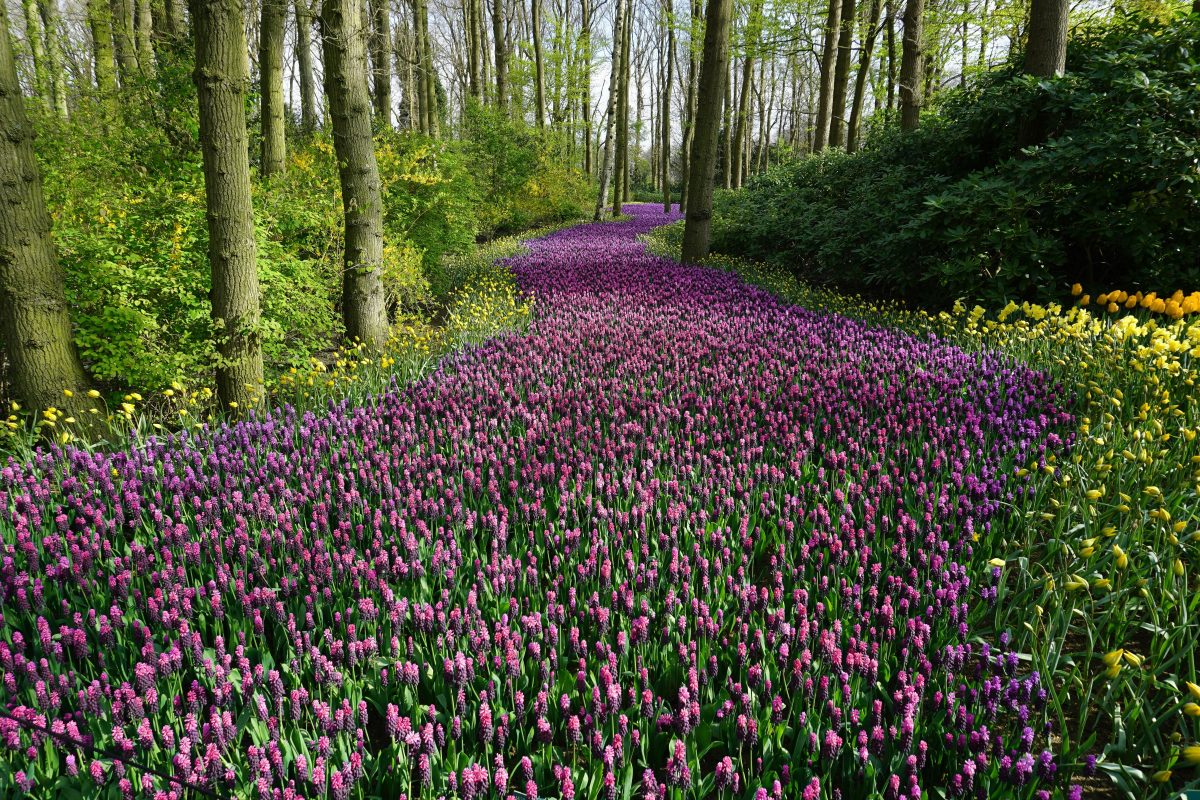
It’s tempting to go all-in with raised beds, fruit trees, and a full-on veggie patch. But here’s a tip: start with a few easy-going plants. Herbs like basil, flowers like marigolds, or tomatoes in a container are great first steps. You’ll learn as you grow, and you won’t get overwhelmed trying to manage a backyard jungle right away.
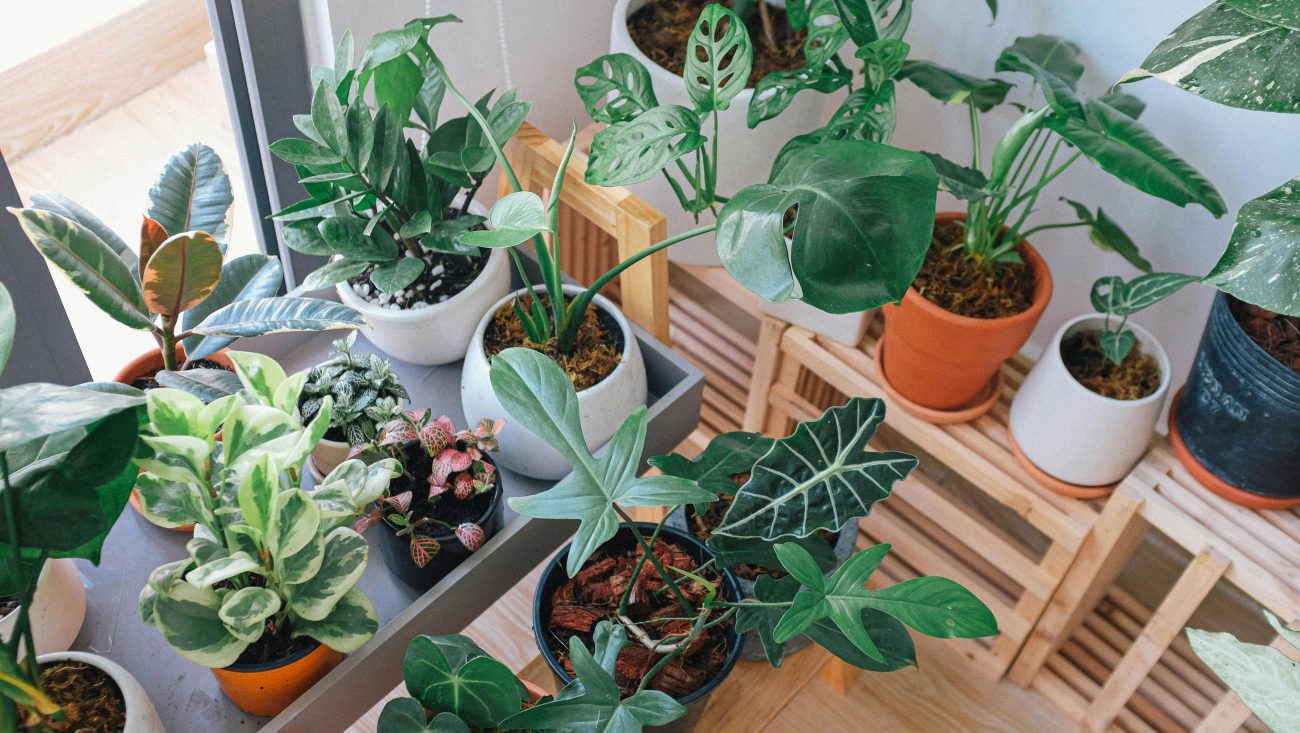
Most plants like about 6-8 hours of sun a day, but they’re not all sun-worshippers. Read those little plant tags—they actually help. And watering? It’s all about balance. Too little and they wilt. Too much and the roots throw in the towel. A good rule of thumb is to water deeply but not too often. Your plants will tell you if they’re thirsty—droopy leaves are a dead giveaway.
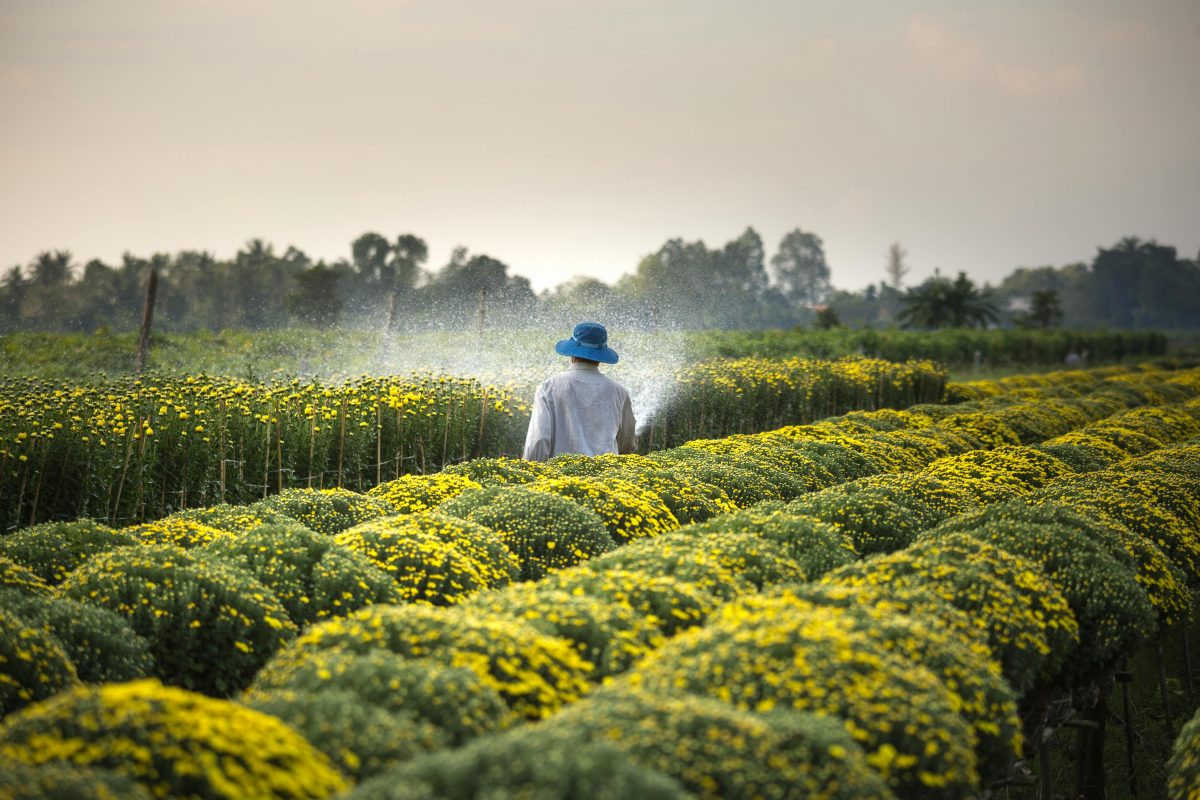
All dirt is not created equal. If you’re planting in the ground, you might need to mix in some compost or garden soil to give your plants the nutrients they crave. For containers, go with a good-quality potting mix. Cheap dirt is like fast food—convenient, but not always great long term.
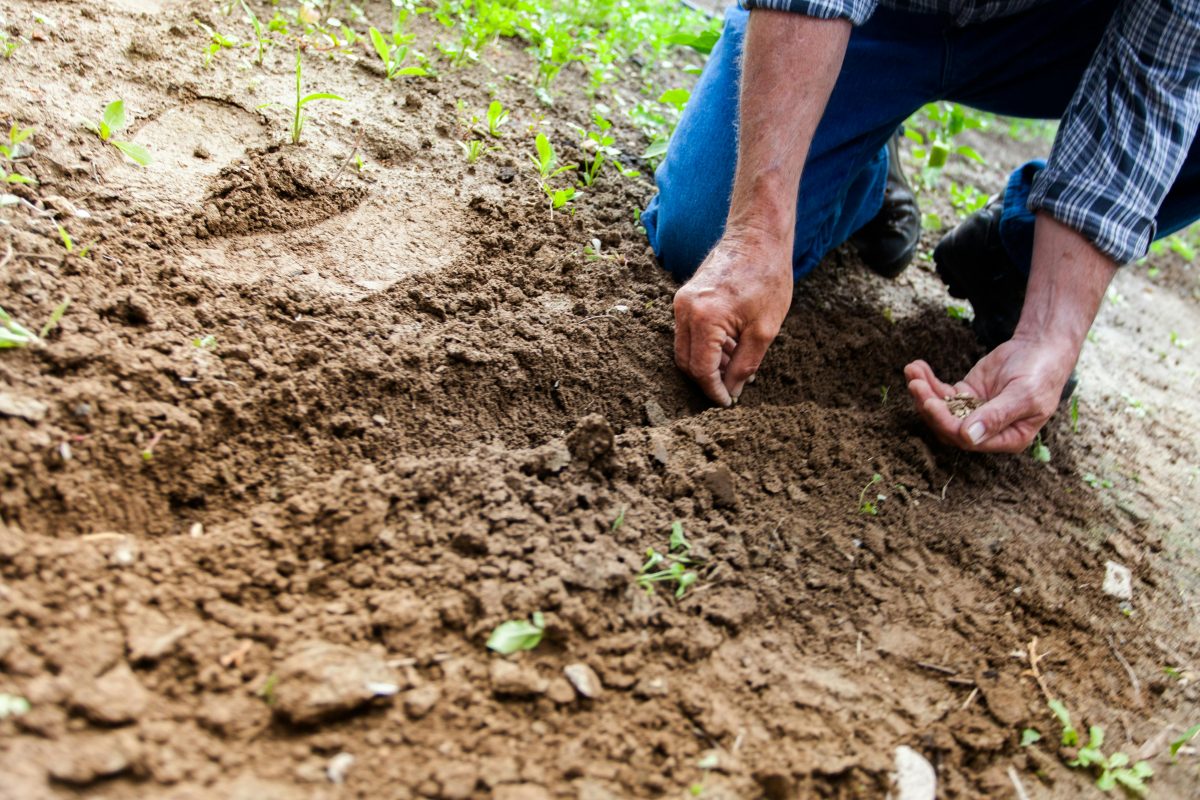
Yes, even gardens have drama. Weeds will pop up, pests might try to crash the party, and sometimes things just don’t grow the way you hoped. The key is not to panic. Pull weeds regularly, inspect your plants often, and use gentle, beginner-friendly solutions like neem oil or soapy water to manage bugs. It’s all part of the learning curve.
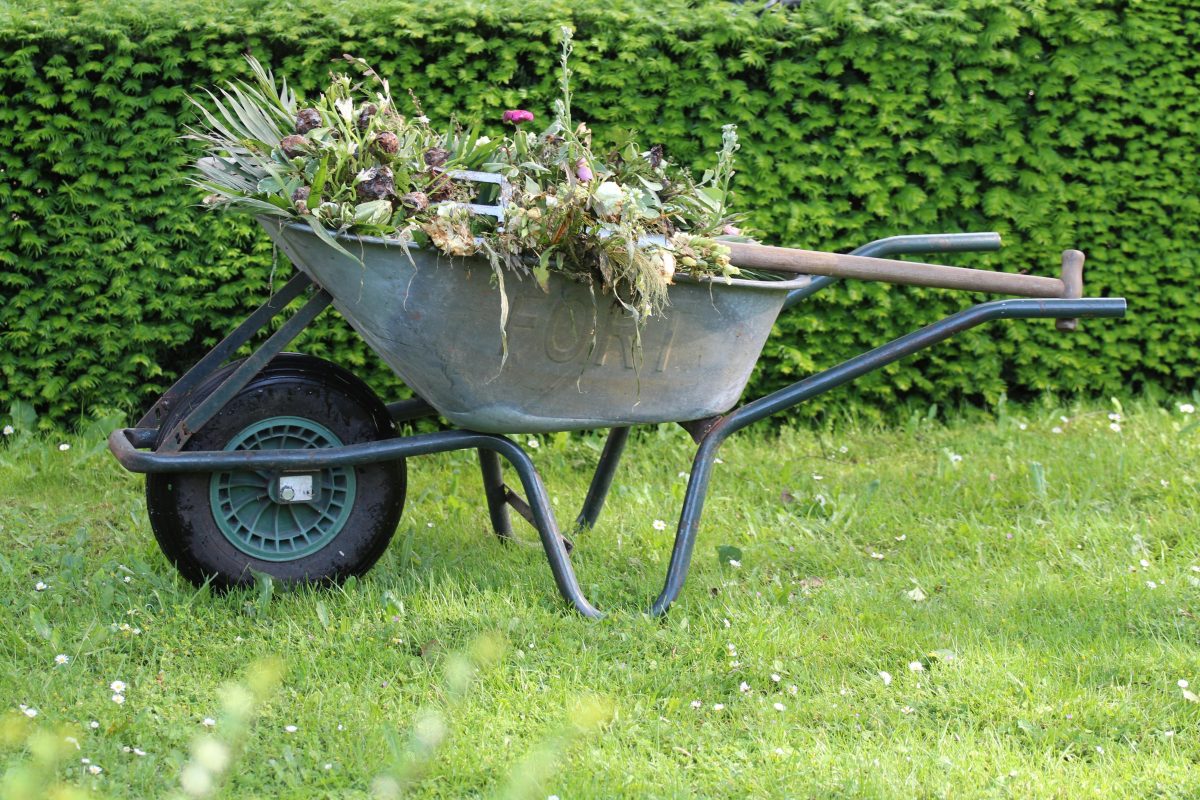
Spoiler alert: something will probably die. It’s okay. Even experienced gardeners lose plants sometimes. What matters is that you’re out there, learning, trying, and connecting with nature. Gardening isn’t about having a Pinterest-perfect yard—it’s about the joy of growing something yourself, whether it’s a single tomato or a full flower bed.
You don’t need a green thumb to grow a garden. You just need a little patience, a patch of sun, and the willingness to get your hands dirty. So go ahead—plant that basil, set up that trellis, or fill a pot with cheerful flowers. The best way to learn gardening… is to start gardening.
Popular categories

